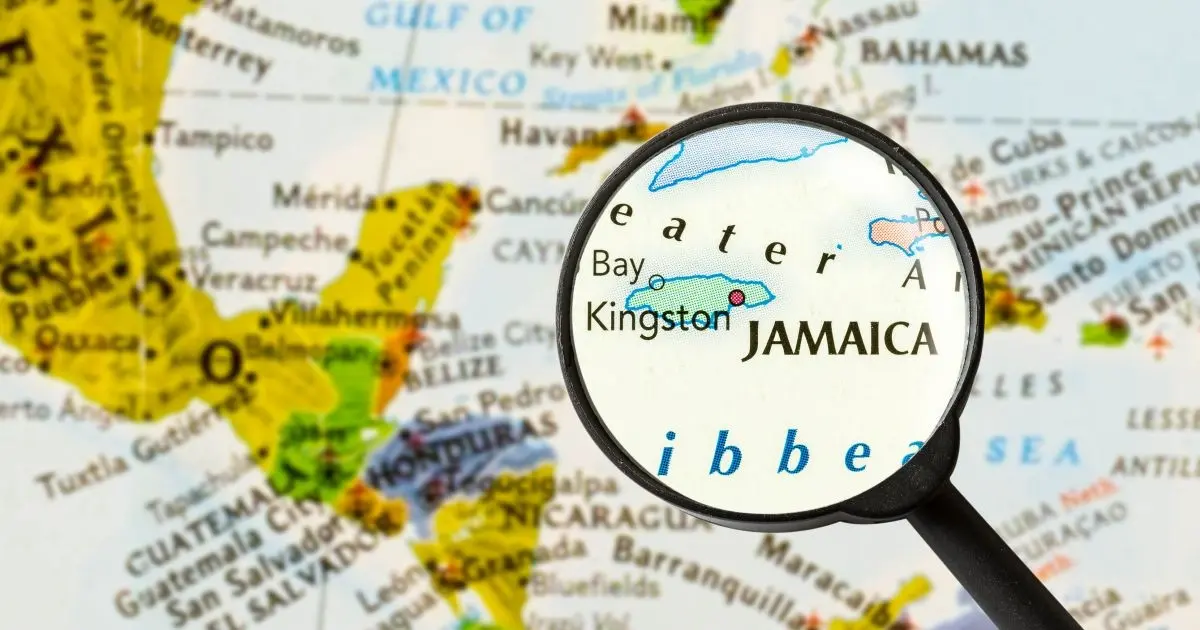
On Oct. 28, 2025, Jamaica changed. Hurricane Melissa made landfall as one of the most powerful and destructive storms to impact the island in modern history.
For many, it was a moment of disbelief. For me, as a daughter of St. Elizabeth, the breadbasket parish of Jamaica, it was deeply personal. St. Elizabeth is not just where I am from; it is home. And in a matter of hours, that home was severely impacted.
Buildings collapsed. Infrastructure failed. Schools and hospitals were damaged or destroyed. Entire communities were cut off as roads became impassable and flooding spread across multiple areas. Electricity was lost, communication networks were disrupted, and access to basic services became extremely limited.
Communities were left vulnerable, not only in the immediate aftermath of the storm but in the uncertainty that followed.
A Personal Experience of Uncertainty
In the aftermath of Hurricane Melissa, I experienced the impact both as an engineer and as a daughter.
My father, mother, and sisters were in St. Elizabeth during the storm, and for days afterward, I had no communication with them. Phone networks were down, roads were impassable, and access to basic communication systems was limited.
Although I was physically spared in my location, the emotional toll of not knowing whether my family, friends, and community were safe was profound. In moments like these, disaster is no longer an abstract engineering problem. It becomes deeply personal, and it highlights how critical resilient communication systems, accessible infrastructure, and emergency response planning truly are.
Returning to a Changed Landscape
In the days following the hurricane, I travelled back to my home parish. I encountered devastation: homes without roofs, damaged public infrastructure, and communities struggling to access food, water, shelter, and clothing. The people who remained experienced grief, disbelief, and loss, but also resilience.
Black River, the capital of St. Elizabeth, was among the hardest hit. Entire sections were flattened, and communities were left isolated and vulnerable. As an engineer, however, another response began to form within me. Beyond the heartbreak, there was a clear and urgent realization: resilience must be engineered into how we design, build, and plan.
Resilience Is No Longer Optional
Events like Hurricane Melissa remind us that while we cannot control nature, we can control how prepared our systems are to withstand it.
Infrastructure, housing, schools, hospitals, and transportation systems must be designed with resilience at the forefront, especially in small island developing states like Jamaica that are increasingly vulnerable to extreme weather events.
Agriculture, often overlooked in discussions of infrastructure, is equally critical. In St. Elizabeth, the breadbasket parish, farming is an economic activity, a way of life, and a cornerstone of national food security. When agricultural systems are disrupted, the impact extends far beyond the parish and affects the entire country.
Engineering for People, Not Just Systems
St. Elizabeth carries both heritage and economic importance. It is shaped by generations of farming, fishing, and connection to the land. These systems serve as livelihoods, identities, and sources of national stability.
This is why engineering must go beyond technical precision. It must also be human-centered. Sustainable engineering must consider:
- Infrastructure that can withstand Category 5 hurricanes
- Resilient housing and public facilities
- Protected agricultural and fisheries systems
- Reliable access to essential services during disasters
Beyond design specifications, it must be grounded in responsibility, empathy, and compassion. Access to safe housing, infrastructure, and essential services is a human necessity, especially in vulnerable island nations.
Affordability, Equity, and True Resilience
Resilient engineering solutions must also be accessible and affordable for all. It is not enough for infrastructure to be strong, sustainable, or climate-ready if it is only available to a select few. True resilience must be inclusive.
In vulnerable communities, especially across small island developing states like Jamaica, engineering solutions should not become luxuries. Safe housing, reliable infrastructure, and climate-resilient systems must be designed and delivered in ways that ensure equitable access across all socioeconomic groups.
If resilience is only achievable for those with resources, then it fails in its purpose. Engineering must therefore prioritize not only performance and durability, but also affordability, scalability, and fairness.
Education and Preparedness as Part of Resilience
Resilience must also include education and preparedness of communities. Engineering solutions alone are not enough if people are not equipped with the knowledge to respond effectively before, during, and after extreme events.
As engineers and leaders, we carry a responsibility to bridge this gap. This includes supporting public education, community awareness, and practical understanding of how infrastructure systems behave under stress and how individuals can better prepare for emergencies.
True resilience is therefore not only embedded in design and construction, it is also embedded in people. When communities are informed and engaged, they become active participants in resilience rather than passive recipients of it.
A Call to the Engineering Community
In the months following Hurricane Melissa, support has come from across Jamaica and the international community. Aid, resources, and assistance have supported the long process of recovery. However, recovery is not only about rebuilding what was lost — it is about building better.
As engineers, we have a responsibility to ensure that lessons from events like this are not forgotten. We must listen to affected communities, integrate lived experience into design decisions, and ensure resilience is not theoretical, but practical and measurable.
Engineering With Humanity
As Jamaica continues to rebuild, this moment must become a turning point in how we approach engineering and resilience.
Engineering is not only about structures, it is about people. If we are to build systems capable of withstanding increasingly severe natural disasters, we must also build systems that prioritize empathy, inclusion, affordability, education, and long-term sustainability.
Let this be a reminder to the engineering community: resilience is not only a technical requirement. It is a human responsibility. And when we engineer with both intelligence and empathy, we don’t just rebuild what was lost — we build a stronger, more inclusive future for everyone.